With the recent release of the Intel Xeon E5 v4 CPUs, I realized it’s been a year since I’ve updated my blade server comparison chart. Below is an updated chart to help guide you to the best blade server for your project. Continue reading
Tag Archives: blade server
5 Things You Didn’t Know You Could Do With Dell Blade Servers
Recently I’ve had to do a lot of “why Dell” presentations and it occurred to me there are a few things about Dell blade servers that many people, including Dell customers, may not know about.
Dell vs Cisco – New Tolly Report (updated)
UPDATED – Tolly Enterprises recently published a new Tolly Report comparing Dell PowerEdge FX2 with Cisco UCS showing results favoring Dell. The 17 page document provides background on each of the product architectures and tests them in four test cases. Continue reading
2015 in Review
As another year has ended, I have to take the time to thank you. This blog was created for my own use, to be able to access blade information at any time; but it grew into something bigger. For each of you that use this site, I give a sincere thank you. This site is a personal site that I’ve maintained since Fall of 2009 and I get ZERO money to run it. No advertising dollars or anything. It’s a hobby, so your participation is greatly appreciated. That said, I thought for my first blog post of 2016, I’d provide you with some insight into the numbers. So here we go.
HP Introduces M.2 SSDs for Blade Servers
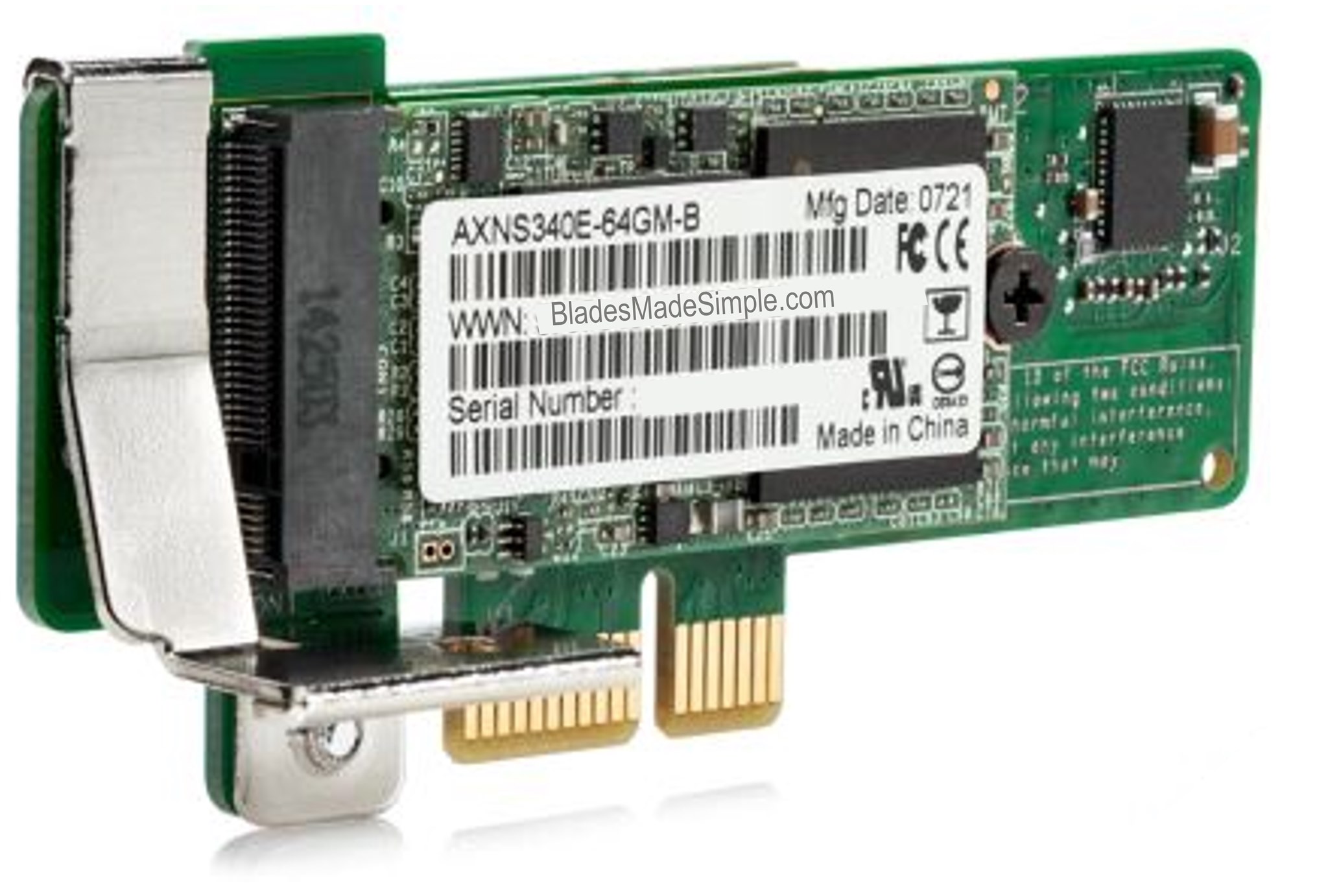 HP recently announced the industry’s first M.2 SSD for blade servers. If you’re not familiar with M.2 (pronounced M dot 2), it’s a small form factor card and connector supporting applications such as Wi-Fi, WWAN, USB, PCIe & SATA seen mostly in desktop / laptop systems. Adoption of this form factor in Tier 1 vendors is slow coming, which is why this is a big announcement for HP. Since this plugs into the system board, it avoids traversing the SAS mid-plane and allows for connectivity to the system PCIe bus supporting faster speeds (see below for details.) Continue reading
5 Modes of the Dell FN IO Module
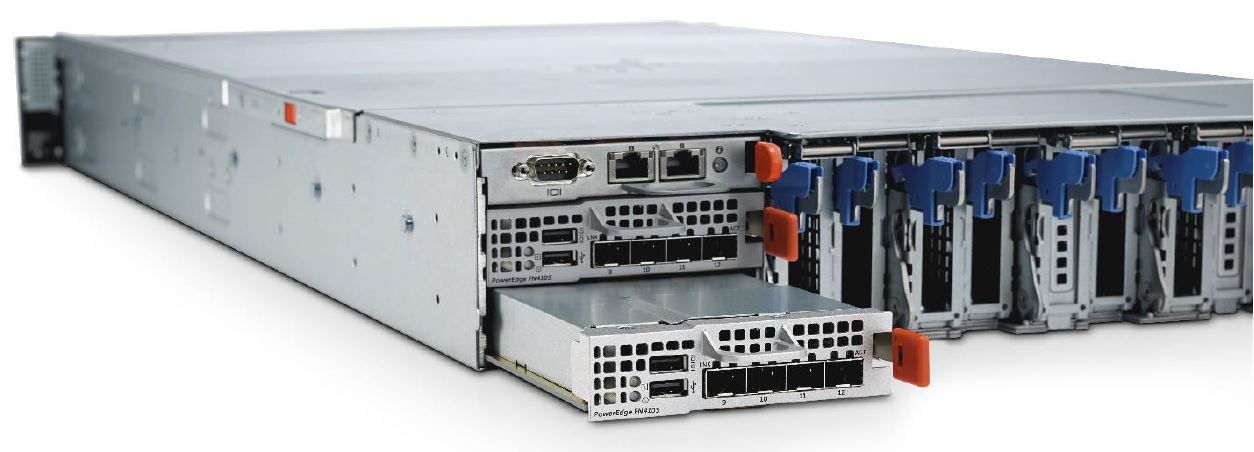 Dell’s FN I/O Modules (FN IOMs) are integrated devices that sit in the rear of the FX2 chassis and behave like traditional network switches. The FN IOMs provide 8 x 10GbE internal ports to the connected server nodes while offering 4 x 10GbE external links for upstream connectivity. What makes the FN I/O Module unique is that it supports 5 operational modes: Standalone (SMUX), VLT, Stacking, Programmable MUX (PMUX) and Full-switch. Below are details on each of these modes.
How To Back Up the Dell FlexAddress
If you own a Dell blade chassis, you are probably familiar with the FlexAddress feature however you have probably not wondered how to back it up – something that is well documented. Fortunately a few of my Dell peers have put together the steps for a definitive backup method.
Dell MXL Blade Switch Configuration with Explanations
We go through a lot to train our teams on how to configure blade switches however it can be difficult for one to remember everything that a Dell Network Sales Engineer has taught them. As an administrator, you often need to be able to look at an actual configuration in front of you and have each line explained to you in as much detail as is reasonable or “necessary.” Continue reading
Blade Server Comparison – June 2015
Below is the chart for the newest 4 socket blade servers based on the Intel Xeon E5-4600 v3.
Blade Server Comparison – May 2015
Many of the blade vendors made announcements recently featuring the Intel Xeon E7 v3 CPU, so below is an updated chart of current blade servers. Once Intel announces the Xeon E5-4600 v3 I’ll include those as well. Continue reading